Our Programs
Four pillars of transformation. One greater purpose.
Education & Child Sponsorship
The Challenge
Uganda has over 2.4 million orphans. Many children drop out of school not because they lack ability, but because there is no one to pay their fees, buy their uniforms, or provide a single meal during the school day. Without education, the cycle of poverty continues.
Our Response
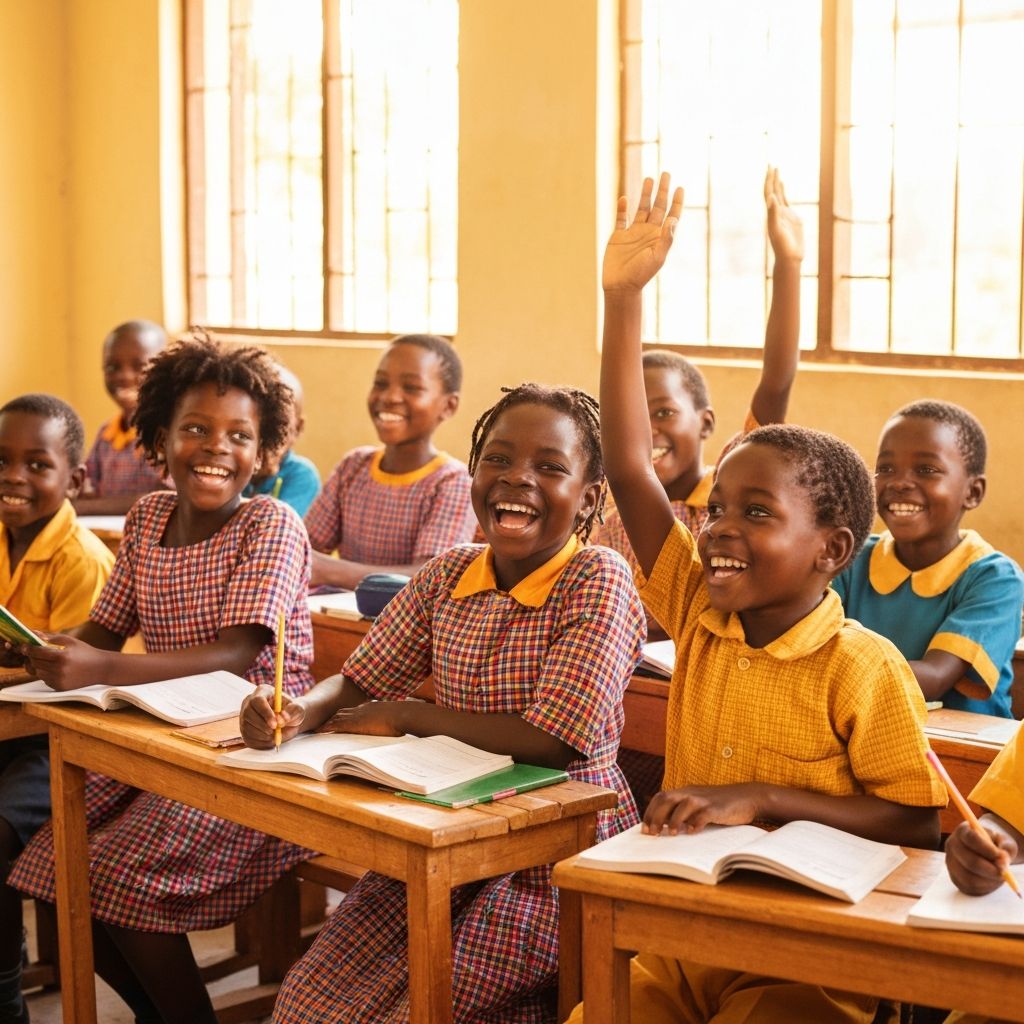
GPC's Education and Child Sponsorship program ensures that orphans and vulnerable children stay in school and have everything they need to succeed. We provide school fees, learning materials, uniforms, nutritional support, and — critically — mentorship from older graduates who have walked the same path.
- Full-term school fees for primary and secondary education
- Learning materials: textbooks, exercise books, pens, and mathematical instruments
- School uniforms and shoes (replaced as children grow)
- Mentorship: Older sponsored graduates tutor and guide younger scholars
- Nutritional support: Ensuring children have at least one meal during the school day
Skills Training for Single Mothers
The Challenge
Single mothers in Uganda face extraordinary barriers: limited education, no employable skills, social stigma, and zero financial safety nets. Many survive day-to-day with no path to independence, leaving both them and their children trapped in a cycle of vulnerability.
Our Response
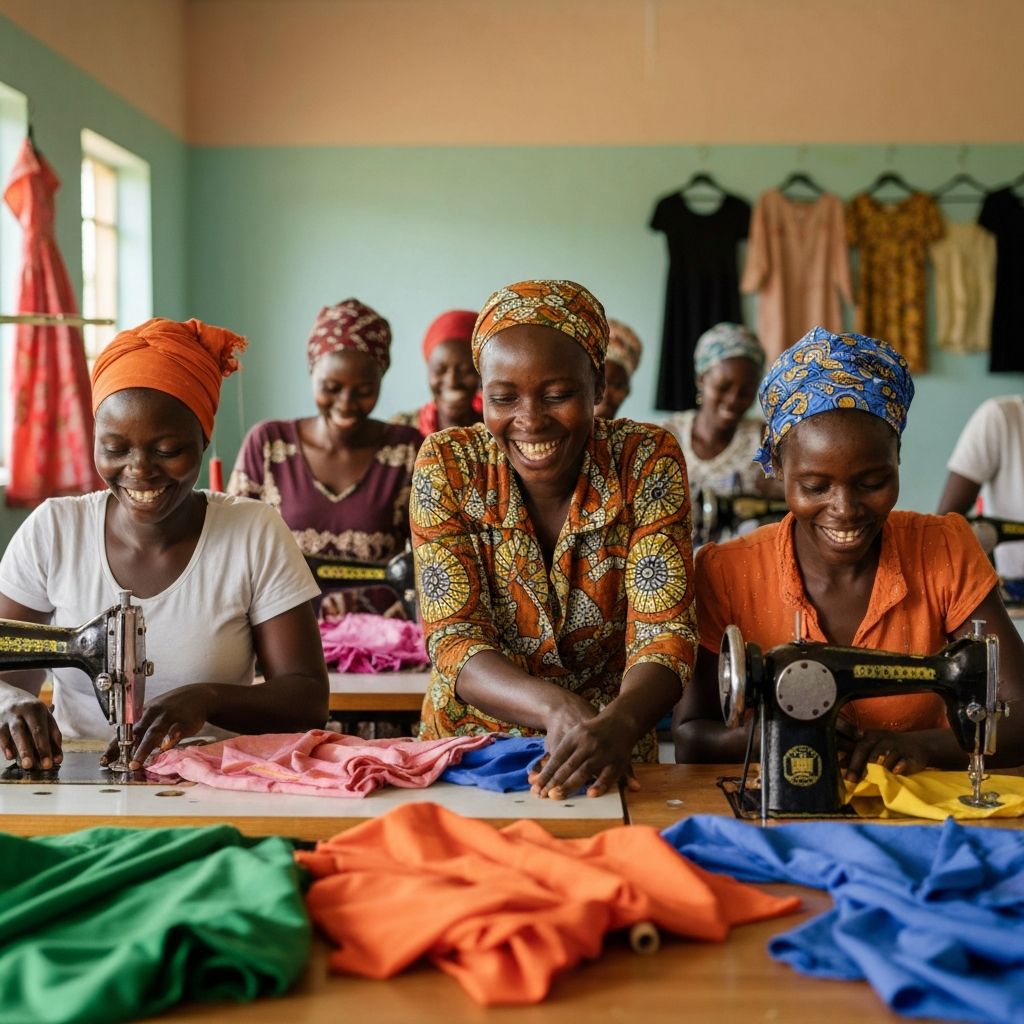
GPC equips single mothers with practical, income-generating skills through structured vocational training programs. But we go beyond training: we provide the tools, mentorship, and market access needed to turn skills into sustainable businesses.
- Tailoring & garment making — from basics to producing school uniforms
- Craft production — bags, baskets, jewellery, and home goods
- Agriculture & farming — urban and peri-urban farming techniques
- Entrepreneurship & business skills — pricing, record-keeping, mobile money
- Soap & hygiene product making — high-demand products with low startup costs
What Happens After Training:
Graduates are connected to Mama Enterprise Hubs — shared workspaces where they produce goods under the "Made by Mamas" collective brand. They join Village Savings Circles for financial resilience and receive ongoing mentorship for 12 months after graduation.
Food & Health Support
The Challenge
Hunger and poor health are both causes and consequences of poverty. Malnourished children cannot concentrate in school. Mothers with untreated health conditions cannot work or care for their families. Mental health — the trauma of loss, stigma, and daily survival — is almost entirely unaddressed.
Our Response
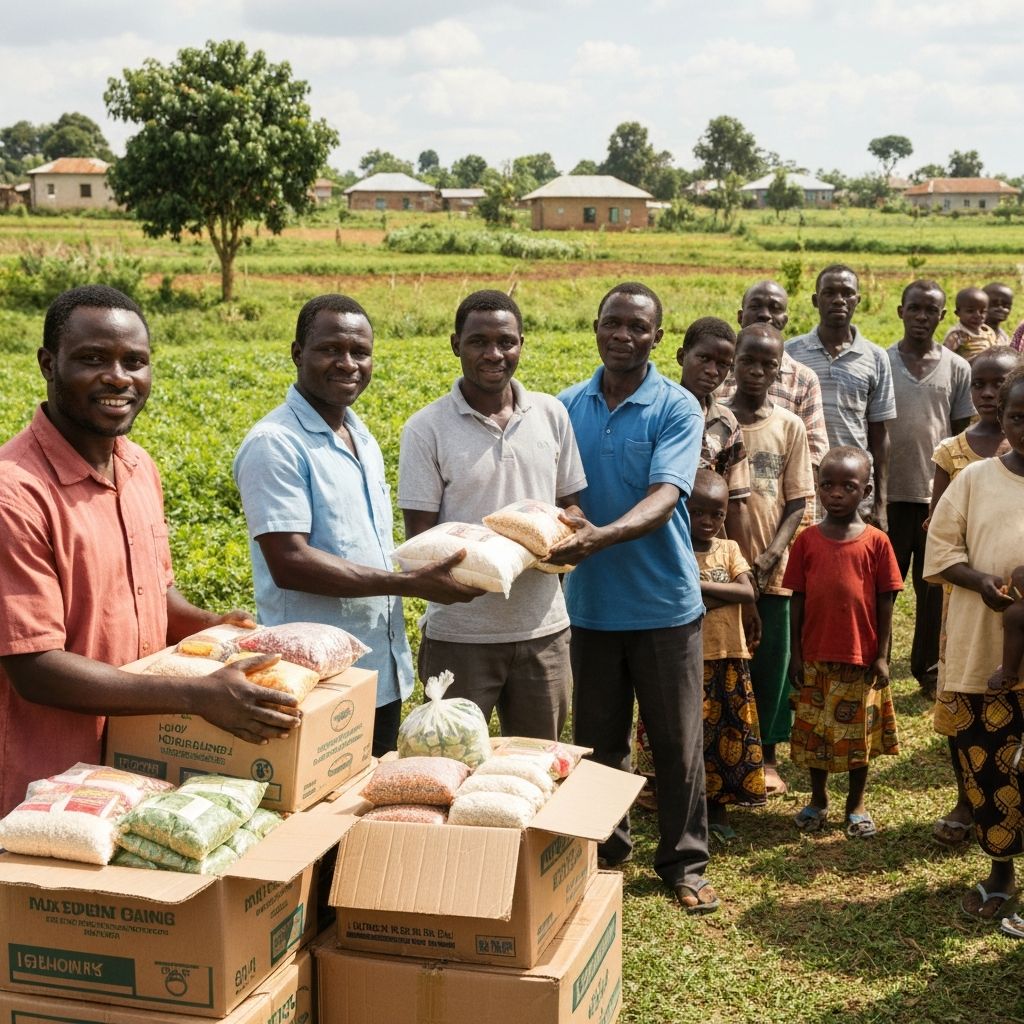
GPC takes a holistic approach to family well-being, addressing nutrition, physical health, and emotional support as interconnected needs. We do not just distribute food — we build food security through education and community growing programs.
- Emergency food packages for families in crisis
- Nutritional education — balanced meals with locally available ingredients
- Community kitchen gardens — grow vegetables, herbs, and fruits
- Healthcare referrals & medical support — check-ups, vaccinations, treatment
- Psychosocial counselling — emotional support for mothers dealing with trauma
Community Empowerment Initiatives
The Challenge
Individual support works best when the surrounding community is strong. But many communities where GPC operates lack the infrastructure, leadership networks, and economic opportunities needed to sustain development independently.
Our Response
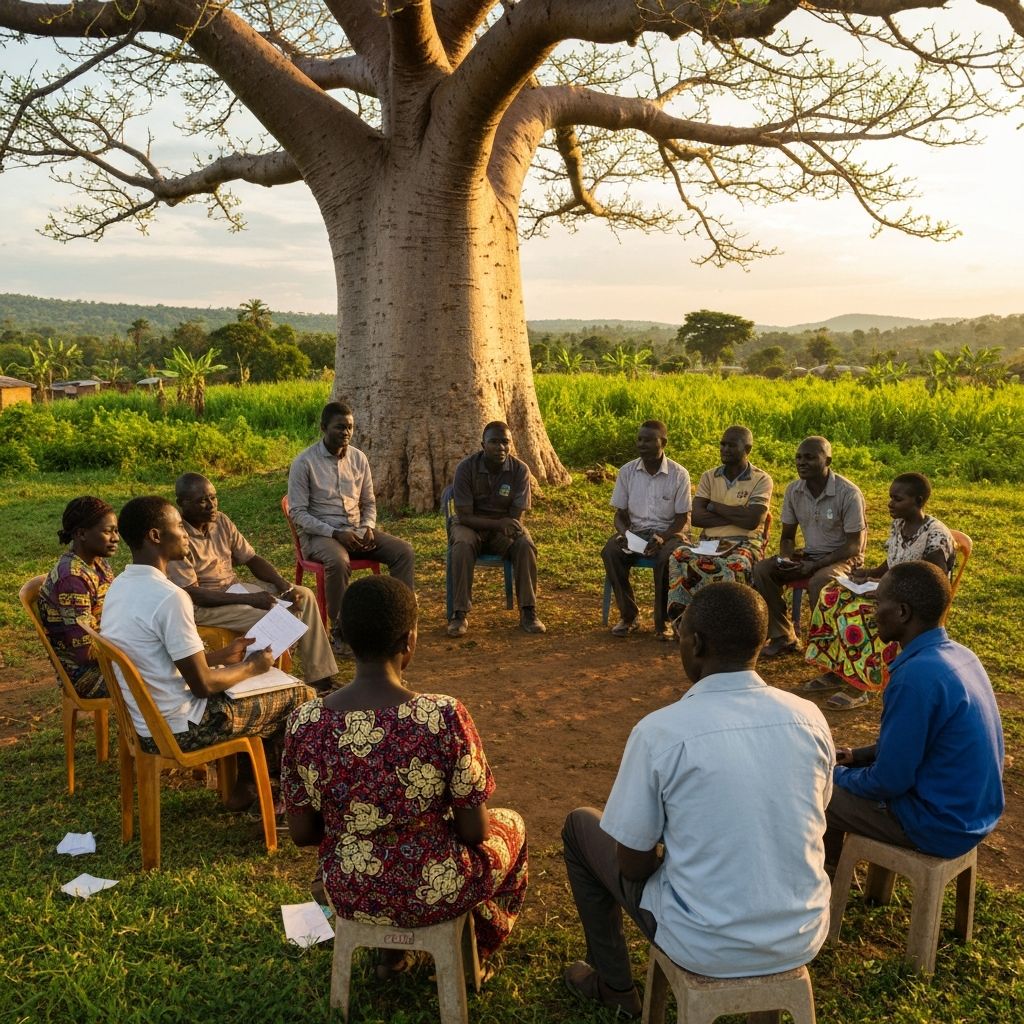
GPC partners directly with local leaders, faith communities, schools, and grassroots organizations to co-design and implement projects that the community owns and sustains. We do not impose solutions — we facilitate local innovation.
- Village Savings & Loan Associations (VSLA+) — donor-matched savings groups
- Community leadership training — project management and advocacy skills
- Youth mentorship programmes — connecting graduates with younger members
- Infrastructure partnerships — water, sanitation, and education infrastructure
- Awareness campaigns — health drives, child protection, and women's rights